
Wholesale eCommerce built for how your business actually runs
Coretonomy combines a proprietary, headless B2B platform with an integration data hub connecting ERP, D2C, marketplaces and sales tools—so you can scale without losing control.
Wholesale-first B2B
Complex pricing, accounts and trade rules—handled natively.
ERP-aligned operations
Keep your ERP central. Reduce re-keying and stock disputes.
Controlled rollout
Engineer-led delivery with staged testing—no risky big bang.
Enterprise-grade B2B capability—made practical for growing SMEs
Most wholesale businesses outgrow basic trade ordering before they're ready for enterprise platforms. Coretonomy bridges that gap with controlled integration and a wholesale-first B2B platform.

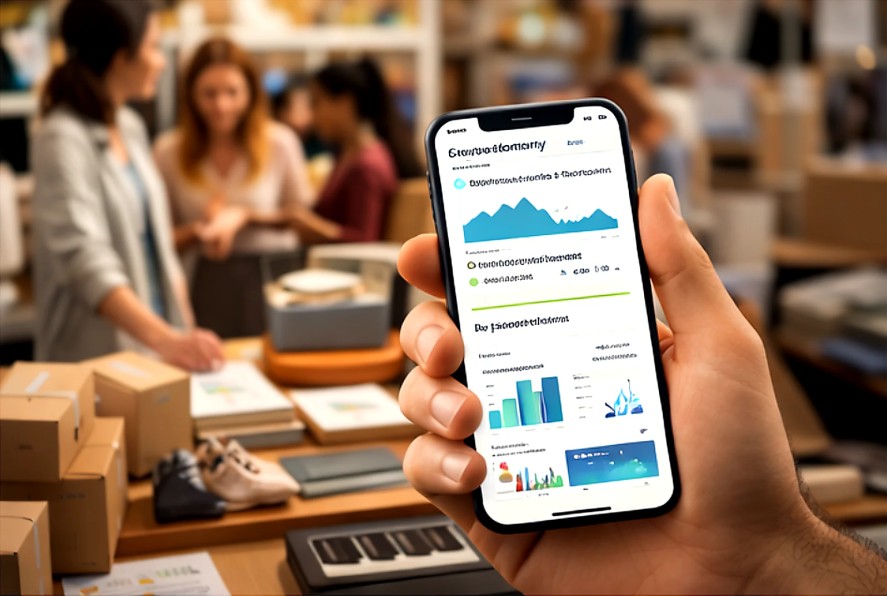

Wholesale accounts & customer rules
Account structures, permissions, trading terms, and customer-specific workflows built in.
Complex pricing—handled properly
Price lists, customer-specific pricing and trade terms without fragile app stacks.
Headless architecture
Freedom on the front end while keeping wholesale logic stable and reusable.
Integration Data Hub
A central control layer connecting ERP, B2B, D2C, marketplaces and tools with clear data ownership.
ERP-aligned inventory and order flows
Reduce discrepancies and firefighting with consistent rules and synchronisation.
Sales agents, shows, and offline ordering support
Capture orders anywhere and keep operations clean—online and offline workflows included.
Every channel. One hub. Your ERP in control.
Your storefronts run on the commerce platform; every external channel connects once — to the data hub, never directly to your ERP. Hover or tap any block to see what it does.
Your storefronts
B2B Trade Portal
Your wholesale customers order online against live data: their own price list, credit terms, back orders and quick re-ordering — a white-label trade storefront under your brand.
D2C Storefront
A retail storefront on the same platform: same catalogue, same stock pool, retail pricing — run alongside your trade store from the same back office.
Commerce Platform B2B + D2C storefronts
Runs your B2B and D2C storefronts: baskets, checkout, payments, customer accounts, search and documents. Several stores per business, one platform — linked two-way, in real time, to the data hub.
Connected channels
Shopify
Already selling D2C on Shopify? The hub keeps it fed: products, stock and prices sync out; orders sync back — webhook-driven, with scheduled catch-up syncs behind it.
Faire Marketplace
Sell wholesale on Faire without re-keying anything: stock, prices and order flow are synced through the hub, so the marketplace stays consistent with every other channel.
Sales Agent App
Orders your agents take on the road — through our Blue Alligator integration — flow straight into the ERP through the hub, and stock levels flow back to the agents.
Integration Data Hub one controlled layer
One controlled layer between your ERP and every channel. Each system connects here once — so adding a channel never means another fragile point-to-point integration.
ERP — Single Source of Truth Brightpearl · SAP Business One · Caliq
Your ERP stays authoritative for stock, prices, customers and financials. The platform works around your ERP — it never competes with it.
Admin Console every store, one back office
One back office across everything: catalogue, orders, customers and content pages — including a site builder — for every store in one place.
The platform at a glance
Five ways to sell, one integration hub, and your ERP kept as the single source of truth. Hover or tap any block above to see what it does.
D2C without compromise
Coretonomy offers a native D2C option managed alongside B2B in a single admin. If you prefer Shopify for D2C, we integrate it—because Shopify excels at D2C conversion and is widely adopted. Coretonomy handles wholesale complexity; Shopify can remain your D2C channel.
A low-risk path to scalable omnichannel commerce
Integration succeeds when change is controlled and responsibility is clear. Our approach is designed for established businesses where stability comes first.
Discovery & system mapping
Confirm current stack, pain points, constraints, and where accountability must sit.
Data ownership and rules
Decide what owns inventory, pricing, customers and orders—then document the rules.
Integration Hub design
Build reliable connections with exception handling and monitoring (not just happy-path sync).
B2B platform configuration
Implement wholesale workflows: accounts, pricing, permissions, ordering and operational controls.
D2C strategy (native or Shopify D2C integration)
Use Coretonomy native D2C or keep Shopify for D2C—either way, wholesale stays stable.
Controlled testing and staged launch
Validate with real trading scenarios. Roll out in phases to avoid operational disruption.
Scale channels safely
Once stable, add marketplaces, sales tools, agents and automation with confidence.
Predictable pricing for B2B + integration
Clear costs, clear scope. We provide a written estimate with assumptions before you commit. Shopify is supported as an optional D2C channel; Coretonomy also offers native D2C.
Platform & Integration Hub
from £500/month
Wholesale-first B2B platform plus central integration hub, billed monthly.
Channel capacity (D2C / marketplaces)
from £100/month
Licensed per channel by GMV band. Start small without penalty.
Typical clients
£12k–£25k/year
Depending on channel volume and complexity.
Use cases and outcomes
Semi-anonymised examples showing how growing wholesale businesses stabilise operations and scale channels. Clear outcomes, calm delivery, fewer fragile integrations.
How a UK wholesaler unified Brightpearl, Coretonomy B2B and Shopify D2C
A controlled, ERP-aligned approach that modernised wholesale ordering while keeping D2C flexible.
- Brightpearl retained as the operational backbone and system of record
- Coretonomy B2B implemented as the wholesale platform (not Shopify B2B)
- Shopify supported for D2C as an optional channel where it excels
Delivering enterprise-grade B2B capability to a growing wholesale business
Wholesale complexity handled natively—pricing, accounts and operational controls—without enterprise overhead.
- Complex account rules and pricing handled in Coretonomy B2B
- Integration hub reduced point-to-point fragility and app sprawl
- Operational workflows improved without replacing ERP
ERP-first, not ERP-last
Your ERP remains the system of record. Coretonomy adds a controlled integration layer and a wholesale-first B2B platform—so ecommerce growth doesn't turn into operational firefighting.
Inventory, invoicing, fulfilment and trading terms stay governed by ERP. We align channels to it rather than creating parallel truths.
Instead of fragile point-to-point connections, the integration data hub controls data flows, rules, and exceptions in one place.
We stage rollouts, test real trading scenarios, and monitor live integrations—so you scale channels without destabilising day-to-day operations.
Common outcomes: fewer stock disputes, fewer manual fixes, faster onboarding of new channels, and clearer accountability when issues occur.
Book a discovery conversation
A practical discussion about your current systems, priorities, risks and a realistic path forward. If we're not a fit, we'll say so.